Looking Class (opens on New York Review of Books)
Timely questions lurk at the heart of connoisseurship: What counts as originality, what value do we place on it, how do we protect it?
The headline, standfirst and reviewer from each outlet. Each links to the full review and to the book’s page here.
Timely questions lurk at the heart of connoisseurship: What counts as originality, what value do we place on it, how do we protect it?
In Nathaniel Rich’s Cloudthief, a heist and a femme fatale plunge an ecojournalist into an all-too-real climate collapse.
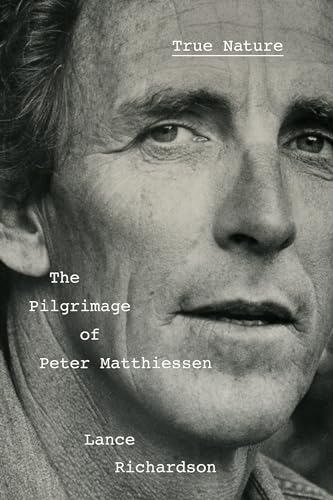
A biography of Peter Matthiessen captures his antithetical actions and character while never losing sight of his ardent attentiveness to the natural world.
In its skewering of London’s literary egos, Gwendoline Riley’s The Palm House takes a step away from her previous parent-dominated novels, but it too is told by a middle-aged woman struggling to come to terms with her childhood and adolescence.
In “Fires in the Dark,” Jamison, known for her expertise on manic depression, delves into the quest to heal. Her new book, she says, is a “love song to psychotherapy.”
“NB by J.C.” collects the variegated musings of James Campbell in the Times Literary Supplement.
“Dom Casmurro,” by Machado de Assis, teaches us to read — and reread — with precise detail and masterly obfuscation.
Dorothy L. Sayers dealt with emotional and financial instability by writing “Whose Body?,” the first of many to star the detective Lord Peter Wimsey.
Brandon Taylor’s novel circulates among Iowa City residents, some privileged, some not, but all aware that their possibilities are contracting.